In 2026, a growing number of people are stepping away from hyper-digital lifestyles and embracing something slower, more tactile, and deeply human. This cultural shift is often described as “Analog Affection” or “Analog Maximalism,” and it goes far beyond nostalgia.
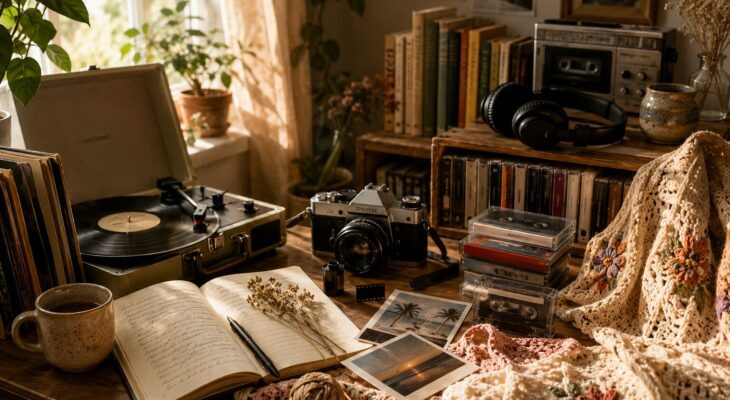
From vinyl records and cassette tapes to crochet fashion and film photography, people are intentionally surrounding themselves with imperfect, physical experiences. The movement reflects a desire to create boundaries against constant AI-generated content and digital overload.
Rather than rejecting technology entirely, this lifestyle celebrates human presence, craftsmanship, and emotional connection in everyday life. Below, we explore why analog living is becoming one of the defining cultural trends of 2026.
What is the analog living trend in 2026?
Analog living is a lifestyle centered around physical, tactile experiences instead of fully digital ones. It includes activities like collecting records, using film cameras, writing in notebooks, and wearing handcrafted clothing.
In 2026, the trend has evolved into something deeper than simple nostalgia. People are using analog habits as a form of boundary-setting. By choosing slower and more intentional experiences, they create distance from constant notifications, algorithm-driven feeds, and AI-generated media.
This shift reflects a growing need for authenticity in daily life.
Why are people turning away from digital perfection?
One major reason is exhaustion from constant digital stimulation. AI tools can now generate images, music, writing, and videos instantly, often with highly polished results. While convenient, this has also created a sense of emotional fatigue for many people.
Analog experiences feel different because they are imperfect. A blurry film photo, a scratch on a vinyl record, or uneven crochet stitching reminds people that a real person created it.
That imperfection has become meaningful. It signals individuality and emotional presence in a world increasingly shaped by automation.
What does “Analog Maximalism” mean?
Analog Maximalism refers to the active embrace of physical media and handcrafted aesthetics. Instead of minimal digital lifestyles, people are intentionally collecting and displaying tactile objects with emotional value.
Vinyl records, cassette tapes, printed photographs, and handwritten journals are all part of this movement. These items are not only functional but symbolic. They represent patience, memory, and human connection.
The trend also reflects a desire to slow consumption habits. Unlike endlessly scrolling through digital content, analog experiences often require attention and participation.
Why are vinyl records and cassette tapes popular again?
Physical music formats have become cultural statements rather than just entertainment tools. Listening to vinyl or cassette tapes creates a more immersive experience because it encourages people to slow down and engage intentionally with music.
Streaming platforms provide convenience, but physical formats create ritual. Choosing a record, placing it on a turntable, and listening from start to finish feels more personal and deliberate.
According to Billboard, vinyl sales have continued to rise in recent years as younger audiences embrace physical music culture alongside streaming services.
This combination of old and new technology defines much of the analog revival.
How is fashion embracing “Coastal Craftsmanship”?
Fashion trends in 2026 are reflecting the same desire for slowness and authenticity. “Coastal Craftsmanship” focuses on handmade textures and Mediterranean-inspired aesthetics that feel relaxed and human-centered.
Crochet fabrics, wildflower embroidery, shell embellishments, and natural fibers are becoming increasingly popular because they evoke simplicity and craftsmanship. These details feel intentionally imperfect compared to mass-produced fast fashion.
The aesthetic also connects to ideas of slow living—sunlight, nature, handmade objects, and everyday calm. Instead of looking overly polished, the goal is to appear effortless and personal.
Why does imperfection matter so much right now?
Imperfection has become culturally valuable because it contrasts sharply with AI-generated content. As digital tools become more advanced, perfectly edited visuals and automated creativity are becoming common everywhere online.
People are beginning to crave signs of humanity instead. Uneven textures, handwritten notes, and analog distortions feel emotionally real in ways that highly polished digital output often does not.
This cultural preference reflects a broader emotional shift. Many consumers now associate imperfection with honesty, originality, and trust.
Is analog living connected to mental wellness?
For many people, yes. Slower analog activities often encourage mindfulness and reduce digital fatigue. Listening to music without multitasking, taking film photos carefully, or crafting by hand creates moments of focus that feel calming and restorative.
These habits can also reduce dependence on constant online engagement. Instead of endlessly consuming algorithm-driven content, people are participating in activities that require patience and attention.
This shift toward intentional reflection is also reflected in 5 Ways Outrageous Openness Changed Sabrina Soto’s Mindset, which explores how openness and self-awareness can reshape everyday well-being.
Insights from Psychology Today suggest that tactile creative hobbies and intentional offline time can support emotional well-being and reduce stress linked to digital overload.
This helps explain why analog living resonates strongly in an AI-saturated culture.
Are younger generations leading this movement?
Yes, younger generations are playing a major role in the analog revival. Many younger consumers grew up entirely in digital environments, which makes physical experiences feel fresh and emotionally meaningful.
Film cameras, printed books, and handmade fashion offer something that digital life cannot fully replicate: sensory depth and lasting physical presence.
Social media has also helped spread the trend, ironically turning analog aesthetics into a form of modern identity and self-expression.
Similar shifts are happening in entertainment and community culture, as explored in Festival Fiction: Is Coachella 2026 the New Book Club?, where shared offline experiences are increasingly replacing purely digital interaction.
Will analog living continue beyond 2026?
The specific aesthetics may evolve, but the deeper desire behind the movement is likely to remain. People are increasingly searching for balance between technology and humanity.
Analog living represents more than nostalgia—it reflects a cultural effort to reclaim attention, creativity, and emotional connection in everyday life. As AI continues to expand, these slower and more tactile experiences may become even more valuable.
FAQ Section
Is analog living anti-technology?
No. Most people embracing the trend still use digital tools but want healthier boundaries and more intentional offline experiences.
Why are younger people interested in retro formats?
Physical media feels unique and immersive compared to the endless convenience of digital streaming and scrolling.
What is Coastal Craftsmanship in fashion?
It is a fashion aesthetic inspired by handmade textures, Mediterranean slow-living, and natural imperfections.
Does analog living require expensive hobbies?
Not necessarily. Many analog activities, like journaling, crafting, or borrowing records and books, can be affordable and accessible.
Conclusion
The rise of analog living in 2026 reflects a larger cultural shift toward intentional slowness, creativity, and human connection. From vinyl records to handcrafted fashion, people are choosing experiences that feel tactile, imperfect, and emotionally authentic.
In a world increasingly shaped by AI and digital automation, analog culture offers something many people are craving: proof of real human presence.