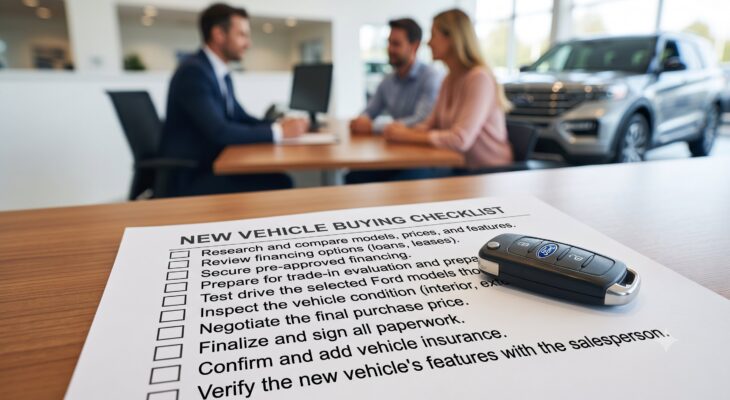
Walking into an automotive showroom without a concrete plan is a recipe for budget creep and emotional decision-making. Whether you are searching for a fuel-efficient commuter for the I-5 corridor or a rugged four-wheel-drive SUV to tackle winter mountain passes, a structured approach saves thousands of dollars. The process of acquiring a new or pre-owned vehicle involves moving parts that extend far beyond the initial negotiation, from calculating local tax structures to securing competitive financing. In the 2026 automotive market, navigating these steps successfully requires a balanced blend of preparation and local consumer awareness. This comprehensive car buying checklist is tailored specifically for Pacific Northwest drivers, serving as a step-by-step editorial resource designed to help you organize your documentation, evaluate mechanical reliability, navigate dealership paperwork, and finalize your purchase with total confidence.
Why This Topic Matters for Washington Drivers
Operating as an informed consumer in Washington requires a firm grasp of state-specific regulations, geographic demands, and fee structures that directly impact your wallet. Our state features highly localized taxes, such as the Regional Transit Authority (RTA) tax levied in parts of King, Pierce, and Snohomish counties, which significantly inflates your annual vehicle licensing costs based on your car’s valuation. Furthermore, a 2026 update to state tax laws adjusted the motor vehicle sales tax rate alongside minor increases to basic title transfer filing fees, altering the upfront financial math for local buyers.
Beyond tax implications, our dynamic climate demands thorough physical evaluation before purchase. Vehicles driven through Western Washington face relentless moisture that tests weather stripping and cooling systems, while Eastern Washington vehicles endure freezing mountain ruts and dusty high-desert terrain. Utilizing a localized car buying checklist ensures you do not overlook these regional variables, helping you identify hidden mechanical issues and avoid unexpected operational expenses long after you drive off the lot.
Best Options, Key Comparisons, or Core Recommendations
The Financial Blueprint: Budgeting and Pre-Approval
The foundational step of your automotive journey must occur before you ever step foot on a dealership lot. Experts universally recommend establishing a maximum monthly payment that does not exceed 10% to 15% of your take-home pay. Once that figure is set, obtaining a pre-approved auto loan establishes a firm interest rate ceiling and strengthens your negotiating power. If you want to check your credit eligibility or structure your budget before visiting our physical showrooms, you can conveniently get pre-approved online through our secure financing portal.
Explore more: Bad Credit Card Car Loans: Your Guide to Buying in Washington
The Vehicle Match: Aligning with Regional Needs
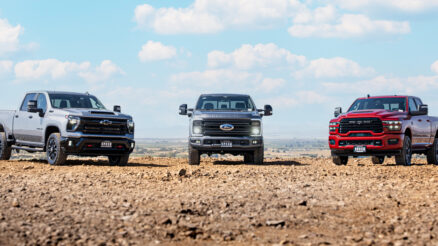
When comparing vehicle classes, Washington drivers must balance performance with long-term utility. While front-wheel-drive sedans offer excellent fuel economy for urban environments, our regional geography heavily favors vehicles equipped with all-wheel drive (AWD) or traditional four-wheel drive (4WD). If you frequently travel across mountain passes, look for platforms featuring high ground clearance and advanced traction control systems to maintain safety during winter weather anomalies.
Certified Pre-Owned vs. Traditional Used Options
For buyers seeking the economic advantages of a pre-owned vehicle without the associated mechanical risks, Certified Pre-Owned (CPO) models represent an excellent middle ground. These units undergo factory-vetted multi-point inspections and carry extended warranties that mitigate repair costs. You can explore a wide variety of models in our used car inventory online to compare late-model SUVs, sedans, and trucks that match your budget and driving preferences.
Further Reading: Buying New vs. Used: What Washington Drivers Should Know
How to Choose the Right Setup or Features
Executing a Strategic Test Drive
A proper test drive should be a rigorous evaluation of how a vehicle performs under real-world Pacific Northwest conditions, not just a quick cruise around the block. Instruct your sales consultant that you want to test the vehicle on both tight city streets and open highways. Pay close attention to cabin noise at cruising speeds, visibility through the rear window during parking maneuvers, and how the suspension dampens rough or uneven pavement.
Understanding Consumer Protections and Warranties
Before finalized signatures bind you to a sales contract, take a moment to understand the baseline consumer guardrails provided by the state. Local buyers should familiarize themselves with the official guidelines outlined by the Washington State Office of the Attorney General, which details how the implied warranty of merchantability protects consumers against vehicles that are unsafe or unfit for ordinary driving purposes. This knowledge provides an extra layer of confidence when evaluating used vehicle options.
Common Mistakes or Buying Considerations
A common mistake among car buyers is focusing solely on the monthly payment rather than the total purchase price and long-term ownership costs. While a low monthly rate might sound appealing, extending loan terms significantly increases the overall interest you pay over time.
Another frequent oversight is skipping a complete review of trade-in values prior to visiting the lot. Getting a professional estimate of your current vehicle’s worth beforehand ensures you maximize your trade-in equity and streamline the purchasing process. Ultimately, buying from an established regional dealer group simplifies the entire experience, as the dealership handles all title, registration, and tax paperwork automatically at the time of sale.
Frequently Asked Questions
Q: What documents must I bring to a Washington dealership to complete a car purchase?
A: You should always bring a valid, unexpired Washington driver’s license, current proof of auto insurance, your two most recent pay stubs if you plan to finance on-site, and the title and registration for your trade-in vehicle if applicable.
Q: Does Washington state allow a “cooling-off period” where I can return a car?
A: No. There is no statutory “three-day right of cancellation” or cooling-off period for automotive purchases in Washington state. Once you sign the purchase agreement and take delivery of the vehicle, the sale is legally binding and final.
Q: How is the Washington documentary service fee handled at dealerships?
A: Washington law permits dealerships to charge a discretionary documentary service fee of up to $200 to cover the administrative costs of processing titles, registrations, and loan paperwork. This fee must be disclosed upfront and is a standard component of dealership closing documents.
Ready to find your next vehicle? Visit Speck Dealerships today — or browse our inventory online.