Direct Answer
Andrew Bustamante’s framework reframes “outsmarting” as reducing cognitive friction for others so they arrive at a beneficial conclusion willingly; it relies on empathy, tradecraft techniques from his CIA background, and a commitment to craft he calls “radical preference.”
Quick takeaways
Former CIA officer Andrew Bustamante turns covert-intel principles into practical habits for everyday relationships, leadership, and decision-making. Below are the central ideas presented and how to apply them.
- Outsmarting as service: Influence works when you help someone’s brain skip unnecessary steps toward an outcome they’ll welcome.
- Vulnerability creates connection: Displaying strength alone can isolate—genuine bonding comes from revealing shared burdens and weaknesses.
- Radical preference: Treating your craft with uncompromising care converts competence into work that lasts and resonates.
Why vulnerability beats posturing
Society often trains people to perform competence and invulnerability, but Bustamante observes that two people who only show strength rarely connect—he likens it to “two turtles trying to cuddle.” The essential point: people are more likely to open up when you first acknowledge the private stresses they carry, not their public achievements.
- The three spheres of self: public, private, and secret. Most energy is wasted maintaining a public persona.
- Bridge at the private level: Real rapport forms when interactions move past public shells to personal, relatable concerns.
- Executives and isolation: High performers often suffer loneliness and weighty responsibilities—acknowledging those burdens is a path to trust.
Practical tradecraft for everyday influence
Bustamante reframes tradecraft away from coercion. The goal becomes enabling the other person’s thinking so they reach a desirable conclusion with minimal friction. Below is a side-by-side summary of the approaches discussed.
What Bustamante calls “radical preference”
When creating anything—books, systems, or decisions—radical preference is the insistence on details that reflect what you truly value. This is not mere perfectionism; it’s prioritizing fidelity to purpose and effectiveness over short-term convenience, which turns functional work into enduring craft.
Notable quote
“We repel each other with our strengths and connect with each other through our vulnerabilities.” — Andrew Bustamante
About Andrew Bustamante
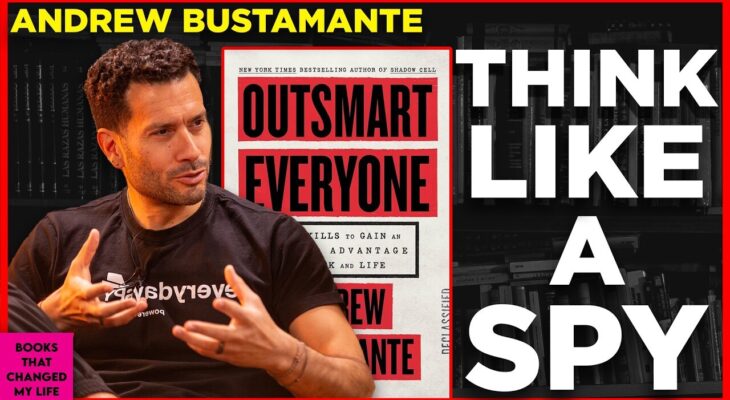
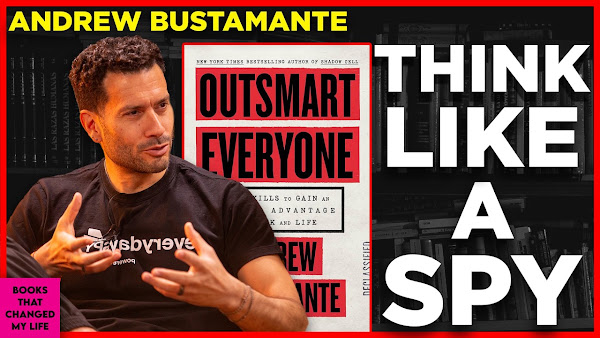
Andrew Bustamante is a former CIA intelligence officer and a US Air Force nuclear missile operator who now speaks and trains teams in human analysis and strategic communication. He founded EverydaySpy and is the author of Outsmart Everyone.
Where to watch or listen
- Full video conversations are available on the Books That Changed My Life YouTube channel.
- Listen to the full uncut conversation on Spotify.
- Browse the episode archive on the main website or the official podcast directory.
Related conversations
Frequently asked questions
Q: Is ‘outsmarting’ just a nicer word for manipulation?
A: No. In Bustamante’s formulation, outsmarting intentionally avoids zero-sum outcomes. The intent is to reduce mental effort so someone chooses a good option themselves; the desired result benefits both parties rather than deceiving or coercing the other person.
Q: If both people know the techniques, do they stop working?
A: Not necessarily. These practices rest on enduring human tendencies—cognitive shortcuts and the preference for low-effort decisions. When two people share the skill set, they can coordinate more smoothly because each recognizes and respects the effort to align, improving communication speed and clarity.
Q: How do you actually gain trust with guarded leaders?
A: Stop trying to mirror their public achievements. Instead, acknowledge the pressures that come with leadership—loneliness, responsibility, scrutiny—and show a willingness to address those private burdens. That lowers defenses faster than displays of status or competence.
Final perspective
Bustamante’s core message is that strategic intelligence is fundamentally human: influence comes from empathy, deliberate observation, and care for craft. When you pair tradecraft techniques with genuine vulnerability and a commitment to excellence, you reduce friction, build deeper trust, and create sustainable, positive outcomes.
If you want structured methods to strengthen leadership and autonomy, explore the I AM LEADER Book Set for frameworks designed to defend autonomy and improve performance.
Related reading on magicvibes.co: Is Your Shadow Steering Your Leadership?; Are You Hiding Behind an Alter Ego?.