
Direct Answer
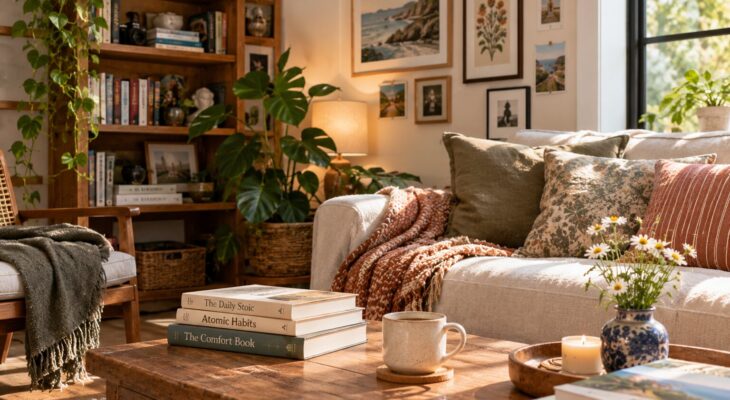
A home can tell a story through the things people choose to keep. A favorite book, an old family photograph, a painting from a weekend market, or a handmade ceramic bowl can make an ordinary room feel more personal. These details are part of the growing appeal of lived-in spaces, where comfort and individual taste matter more than achieving a perfectly coordinated interior.
The challenge is knowing how to display meaningful belongings without making a room feel crowded. You don’t need to choose between a bare minimalist interior and shelves filled with everything you own. A thoughtful approach to collecting, arranging, and using everyday objects can give your home personality while keeping it practical.

Start With Objects That Have a Reason to Be There
Before buying new decorations, look at the things you already own. Some objects have sentimental value, while others are useful or simply make you happy to see them.
A book collection might reflect years of reading interests. A framed postcard could remind you of a memorable trip. An old chair might not match the rest of the furniture, but it could be the most comfortable place to sit.
These objects don’t have to follow a single decorating theme. Their connection to your life is what makes them meaningful.
This is also consistent with the perspective explored in IKEA’s Life at Home research, which considers how personal identity, comfort, and belonging influence people’s experiences at home. A room is not valuable only because it looks attractive. It also needs to feel like a place where people can live comfortably.
Give Collections a Little Structure
Collecting does not mean displaying everything at once. A few simple organizing decisions can help personal belongings look intentional.
Group Similar Items
Books, framed photographs, ceramics, and travel souvenirs can each have their own place. Grouping related objects makes them easier to appreciate and prevents small items from spreading across every available surface.
For example, place travel souvenirs on one shelf rather than scattering them around the room. You can still mix different shapes and materials while giving the collection a clear visual home.
Use Height and Spacing
When arranging books and decorative objects, vary their heights. Stand some books upright, stack others horizontally, and leave small gaps between groups.
The same principle works for artwork. A larger print can anchor a collection of smaller pictures, while varied frame sizes add interest. You don’t need identical frames or perfectly measured spacing to make the arrangement feel balanced.
Rotate What You Display
Not every meaningful object needs to remain visible all year. Store some seasonal decorations, photographs, or collectibles and bring them out when you want a change.
Rotation helps prevent shelves and tables from becoming overcrowded. It also gives familiar belongings a chance to feel interesting again.
A home that feels comfortable can also make it easier to slow down and enjoy the things you love, whether that’s reading about soft ambition or simply taking a quiet break at the end of the day.
Make Everyday Objects Part of the Interior
One reason lived-in spaces feel welcoming is that their decoration often comes from ordinary routines rather than objects purchased solely for display.
Books can stay beside the bed or near the sofa. A handmade mug can occupy an accessible kitchen shelf. A knitted blanket can remain folded over the chair you use most often.
These choices make a room feel personal because they reflect how it is actually used.
Texture can help bring these everyday details together. Linen curtains, knitted throws, wooden furniture, woven baskets, and ceramic pieces introduce different finishes without requiring everything to match.
You can begin with items you already own. Moving a cushion from another room or placing a favorite blanket where you usually relax may be enough to change how a space feels.
Keep the Difference Between Personality and Clutter Clear
Personal belongings can make a lived-in spaces feel welcoming, but too many objects can make everyday activities difficult. A crowded coffee table may leave no room for a drink or book. A packed bookshelf can make it harder to find the title you want.
Research published in the Journal of Environmental Psychology found an association between home clutter and psychological well-being, with perceived beauty partly explaining that relationship. This does not mean every room must be spotless. It suggests that the way belongings are arranged and experienced can matter.
Try reviewing a room with three questions:
- Does this object have personal meaning?
- Does it serve a practical purpose?
- Does having it here make the room more comfortable or enjoyable?
If an item serves none of these purposes, consider storing it, moving it elsewhere, or letting it go. The aim is not to remove everything unnecessary. It is to make sure the things you keep have a place.
Design Around the Activities You Enjoy
Lived-in spaces should support the activities that make up an ordinary day. This can be more useful than trying to recreate an interior seen in a photograph.
If you work from home, think about the lighting, chair, and storage you need. Keep notes and frequently used supplies accessible, but avoid allowing work materials to take over the entire room.
If reading helps you unwind, create a comfortable spot with a supportive seat, a lamp, and somewhere to place your drink. A dedicated reading room isn’t necessary. A quiet corner of the living room can serve the same purpose.
People managing several projects or income sources as part of a portfolio life may also benefit from separating work and relaxation areas. When space is limited, a dedicated shelf or storage basket can help keep work materials organized without requiring another room.
Your surroundings can support different routines while still feeling connected through familiar colors, textures, and personal belongings.
Frequently Asked Questions
What is a lived-in interior style?
It is a decorating approach that makes room for comfort, personal history, and everyday activities. Books, photographs, collected artwork, vintage furniture, and mixed textures can all contribute to the look. The result should feel personal rather than deliberately messy.
How can I display a collection without making a room look cluttered?
Group similar items, vary their heights, and leave some open space around them. You can also rotate pieces rather than displaying your entire collection at once.
Can a messy bookshelf still look good?
Yes. A bookshelf can look relaxed without being perfectly arranged. Combine upright books with horizontal stacks, display a few meaningful objects, and leave enough space to reach the titles you use.
Does home decor affect your mood?
Your surroundings can influence how comfortable or distracted you feel, although individual preferences vary. Some people prefer clear surfaces, while others enjoy being surrounded by books, art, and personal collections. Pay attention to what helps you feel comfortable and function well.
Final Thoughts
The most personal homes are not necessarily the ones with the most decorations. They are the ones where belongings have a purpose, a memory, or a connection to the people who live there.
Lived-in spaces make room for those details without requiring every shelf, wall, or table to be full. Keep the books you enjoy, display the artwork that means something to you, and leave enough open space to use your home comfortably.
You can take inspiration from minimalism without removing every trace of personality. The best balance is one that makes your home feel welcoming and works with your everyday routines.
What would you rather display in your home: a collection of books, artwork gathered over the years, or objects that remind you of special moments?
Further Reading for the Soul
- Why Do Women Crave Comfort Fiction?
- How The Seat of the Soul Influenced Tiffani Thiessen
- Related reading on magicvibes.co: choosing coffee-table books that reflect personal taste; choosing practical tools for a home workspace.