For much of the past decade, blockbuster entertainment was defined by increasingly complex universes.
Audiences were expected to follow interconnected storylines, alternate timelines, multiverse events, and sprawling franchise narratives that stretched across movies, television shows, and streaming platforms. While these approaches initially generated excitement, many viewers eventually began feeling overwhelmed by the sheer amount of information required to keep up.
In 2026, a different trend is emerging.
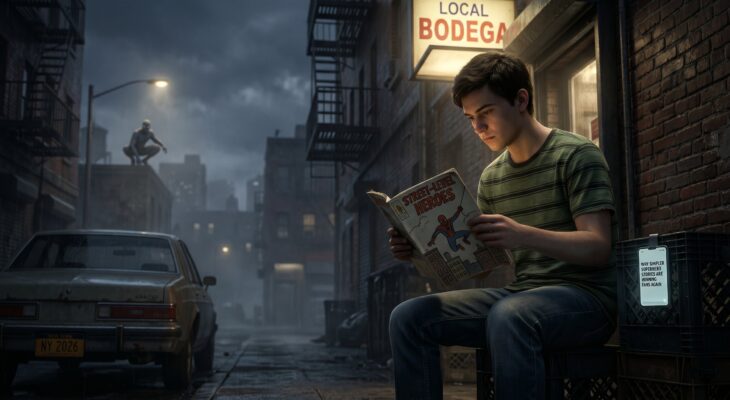
The enormous anticipation surrounding Spider-Man: Brand New Day suggests that audiences may be craving something simpler. Instead of focusing on cosmic threats, alternate realities, and complicated mythology, the film returns to a more familiar version of Peter Parker: a neighborhood hero navigating everyday challenges, relationships, and life in New York City.
This shift reflects a broader change in entertainment culture, where character-driven storytelling is increasingly resonating with audiences seeking emotional connection over narrative complexity.
Why Are Simpler Superhero Stories Becoming Popular Again?
One reason is accessibility.
As fictional universes expanded, casual viewers often felt they needed extensive background knowledge to understand new releases. Following a single film sometimes required familiarity with multiple previous movies, television series, and interconnected storylines.
Simpler stories reduce that barrier.
Audiences can enjoy a narrative without needing to study years of franchise history. The focus returns to the characters, their struggles, and the emotional stakes driving the story.
For many viewers, this feels refreshing.
What Is Driving the Shift Away From Complex Universes?
Entertainment trends often move in cycles.
For years, audiences embraced larger and more interconnected worlds because they offered novelty and scale. Eventually, however, complexity itself became a challenge.
Viewers increasingly began expressing interest in stories that felt easier to follow and more emotionally grounded.
Instead of asking bigger questions about alternate realities, many audiences wanted stories that explored relationships, identity, responsibility, and personal growth.
These themes remain timeless because they are relatable regardless of genre.
Why Does Spider-Man Fit This Trend So Well?
Spider-Man has always been one of the most human superheroes.
Unlike gods, billionaires, or cosmic warriors, Peter Parker’s appeal comes from his everyday struggles. He worries about relationships, finances, family, friendships, and finding his place in the world.
Even when facing extraordinary challenges, the character remains grounded in ordinary experiences.
This balance makes Spider-Man uniquely positioned to lead a return to more personal superhero storytelling.
Many fans connect with Peter not because of his powers but because of his humanity.
Why Are Audiences Embracing Street-Level Heroes Again?
Street-level heroes often feel more relatable than larger-than-life figures.
Stories set in recognizable neighborhoods and communities create a stronger sense of realism. The stakes may be smaller than saving the universe, but they often feel more immediate and emotionally meaningful.
A neighborhood, a friendship, or a personal relationship can be easier for audiences to connect with than abstract global threats.
This helps explain why grounded superhero narratives continue attracting strong interest.
How Does Nostalgia Influence This Trend?
Nostalgia plays a major role.
Many fans remember earlier superhero films that focused heavily on character development, personal growth, and emotional storytelling. These movies often balanced action with relatable life experiences.
As audiences revisit those memories, there is growing appreciation for stories that prioritize heart over spectacle.
This does not mean viewers no longer enjoy visual effects or large-scale action. Instead, many are looking for a stronger balance between excitement and emotional investment.
The return of familiar storytelling structures provides that balance.
Why Are Character Relationships Becoming More Important?
Strong relationships give audiences reasons to care about outcomes.
Action scenes may generate excitement, but emotional connections create lasting impact.
When viewers become invested in friendships, family dynamics, and romantic relationships, they become more engaged with the overall story.
The renewed attention surrounding Peter Parker and MJ demonstrates how important these relationships remain.
For many fans, emotional continuity is just as important as plot development.
Audiences increasingly connect with stories that explore personal growth, life lessons, and character development rather than focusing solely on large-scale spectacle.
Is This Shift Happening Beyond Superhero Movies?
Yes.
Across entertainment, audiences are showing renewed interest in stories centered on characters rather than complex mythology.
This can be seen in nostalgia-driven entertainment trends, character-focused streaming series, and the growing popularity of stories that emphasize emotional realism.
Consumers increasingly value narratives that feel personal and relatable.
As a result, entertainment companies are paying closer attention to character development and emotional engagement.
What Does This Say About Modern Pop Culture?
The trend suggests that audiences may be seeking familiarity and connection in an increasingly complicated world.
Daily life is already filled with information, technology, and constant digital stimulation. Many viewers appreciate stories that feel straightforward without sacrificing depth.
Entertainment continues to provide both emotional connection and escapism, allowing audiences to engage with stories that feel meaningful while offering a temporary break from everyday pressures.
Simple storytelling does not mean simplistic storytelling.
In fact, some of the most memorable narratives focus on universal human experiences presented with clarity and emotional honesty.
This approach often resonates across generations.
Could This Influence Future Blockbusters?
There are strong indications that it could.
If audiences continue responding positively to grounded, character-focused stories, studios may place greater emphasis on emotional storytelling rather than escalating scale and complexity.
Organizations such as The Motion Picture Association have noted evolving audience preferences as streaming, theatrical releases, and franchise strategies continue adapting to changing consumer expectations.
Future blockbusters may increasingly balance spectacle with intimacy.
Rather than constantly expanding fictional universes, studios may focus on making audiences care more deeply about the people within them.
Why Is Simplicity Becoming Valuable in Entertainment?
Simplicity creates clarity.
When audiences clearly understand a character’s motivations, relationships, and goals, emotional engagement becomes easier.
Complex world-building can still be effective, but it works best when supported by strong character foundations.
Many viewers are rediscovering their appreciation for stories that prioritize emotional resonance over narrative complexity.
This shift is helping redefine what audiences expect from major entertainment franchises.
Frequently Asked Questions
Why are audiences moving away from complex superhero stories?
Many viewers prefer narratives that are easier to follow and more focused on character development and emotional stakes.
What makes Spider-Man a relatable superhero?
Peter Parker faces everyday challenges involving relationships, responsibility, and personal growth, making him highly accessible to audiences.
What is a street-level superhero?
A street-level superhero primarily deals with local issues, community concerns, and personal conflicts rather than global or cosmic threats.
Does simpler storytelling mean less action?
No. Simpler storytelling focuses on clarity and character while still allowing for exciting action and dramatic moments.
Why is nostalgia influencing entertainment trends?
Audiences often gravitate toward familiar storytelling styles that evoke positive memories and emotional connections.
Could other franchises follow this approach?
Yes. If grounded, character-driven stories continue performing well, more studios may adopt similar storytelling strategies.
Conclusion
The excitement surrounding Spider-Man: Brand New Day reflects more than anticipation for a major blockbuster. It highlights a broader cultural shift toward storytelling that values character, emotion, and relatability.
As audiences increasingly embrace grounded heroes and straightforward narratives, entertainment companies are discovering that bigger is not always better. Sometimes the most compelling stories are the simplest ones—stories that focus on human experiences, meaningful relationships, and heroes who feel surprisingly close to home.